The Ranch Journal
Getting Started with Western Riding: A Beginner's Guide

Author:
John
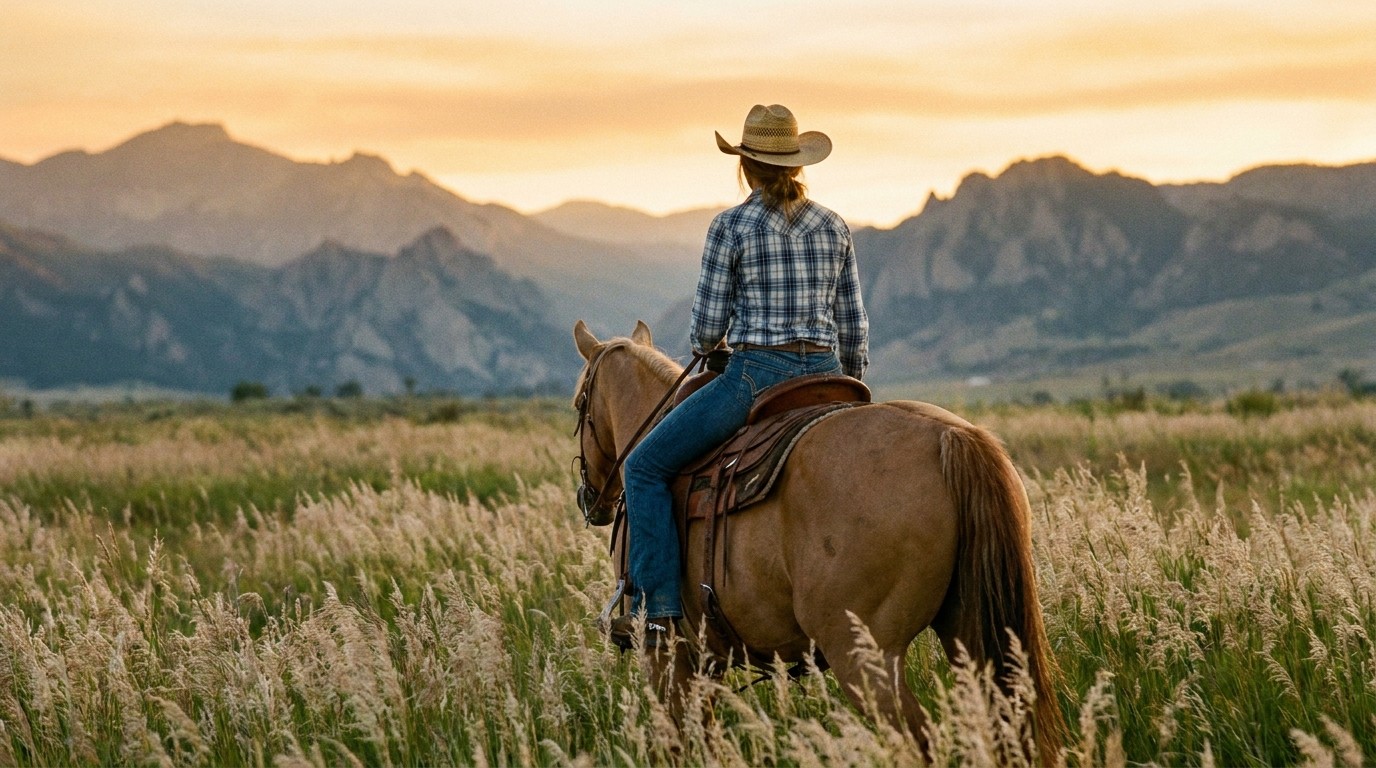
Western riding has a relaxed reputation — a deep seat, an unhurried pace, and roots in long days working cattle rather than arena performance. But relaxed doesn't mean easy: the western saddle is bigger and heavier than an English one, with a deep seat and a horn that offers a psychological anchor for new riders, even though it's not meant to be gripped tightly. The real challenge for beginners is posture: a tall, relaxed spine, weight settled into the seat and heels, hands held low and still. It looks effortless when done well because the rider is quietly working to stay balanced rather than gripping with legs or hands. Reining is the other adjustment — western horses are trained to neck rein, steered with light pressure from reins held in one hand rather than pulled directly on the bit. First lessons focus on the basics: mounting safely, finding balance at the walk, and using light cues instead of force. Instructors keep new riders at a walk longer than feels necessary — deliberately, since the habits built there carry through once the pace picks up. It's quiet, methodical work built entirely on trust between horse and rider.

faq